TarekKamal
Small businesses are the backbone of emerging economies — yet millions are locked out of capital. The problem is not willingness to lend. It is risk. We design credit guarantee schemes that shift that risk, unlock finance, and build markets that work for everyone.
Where Deep Practice
Meets Real Impact
Regardless of how small the equity that a micro or small business owner has invested in the business, it is often everything that they own. The biggest collateral they have to offer is that if the business should fail, they will have lost the ability to feed and shelter themselves and their families.

30 Years at the
Frontier of Finance
Tarek Kamal has spent over 30 years at the intersection of finance and development — working with governments, multilateral development banks, and financial institutions across the Caribbean, South Asia, Central Asia, the Middle East, and Africa.
His deepest expertise is in credit guarantee schemes: the instruments that shift risk, unlock capital, and make lending to small businesses viable at scale. He has been engaged in the planning and development of 11 credit guarantee schemes over the last six years, each with capacity building of women and youth entrepreneurs at their core.
Global Practice,
Grounded Experience
Writing from
the Frontline

Prudence
Purpose-built, not adapted from generic financial software. Prudence encodes thirty years of operational CGS knowledge into a configurable platform that deploys against an agreed business plan — origination through closure, every guarantee, every partner, every stage.
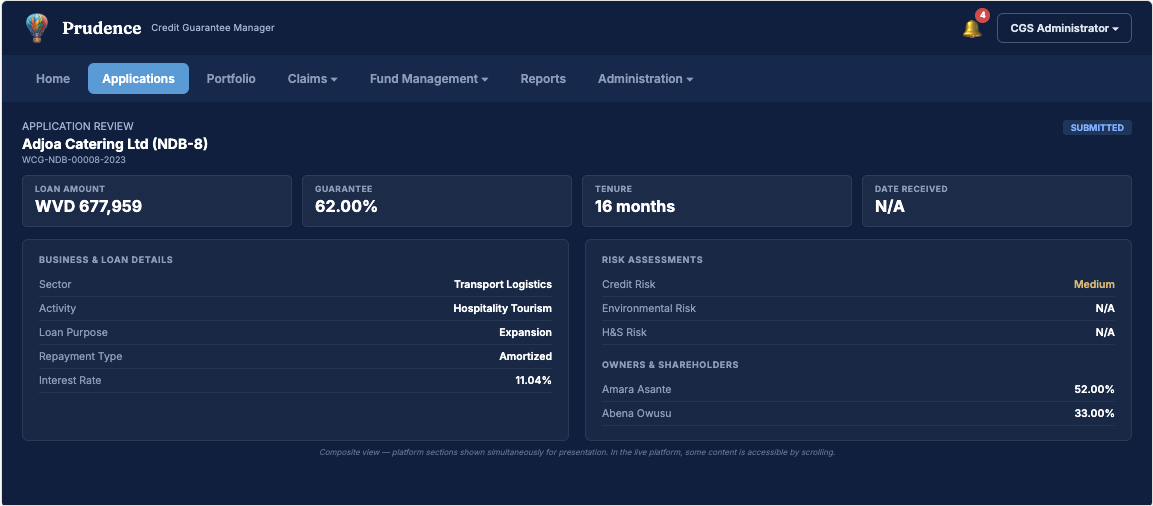

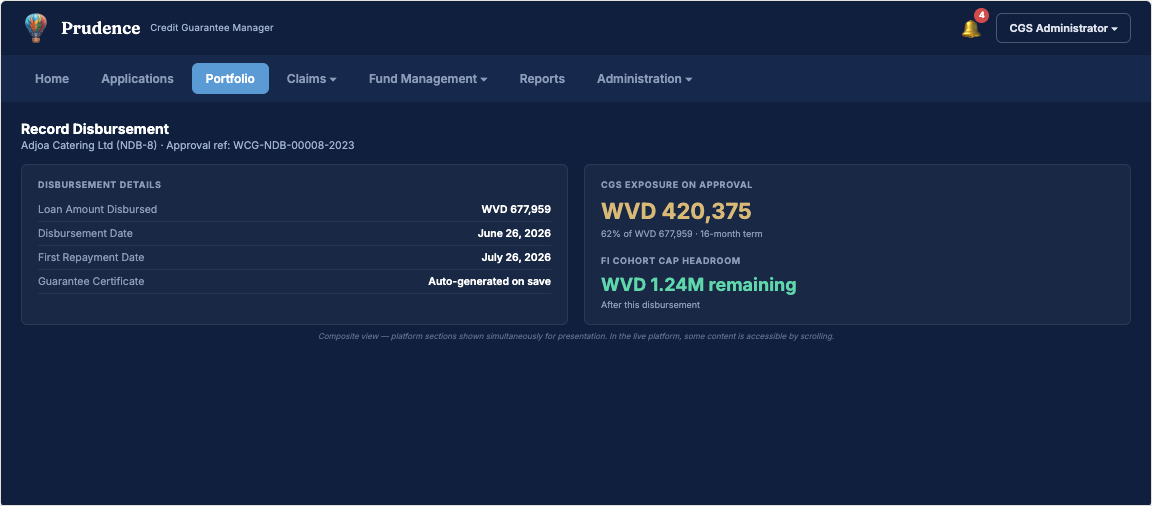
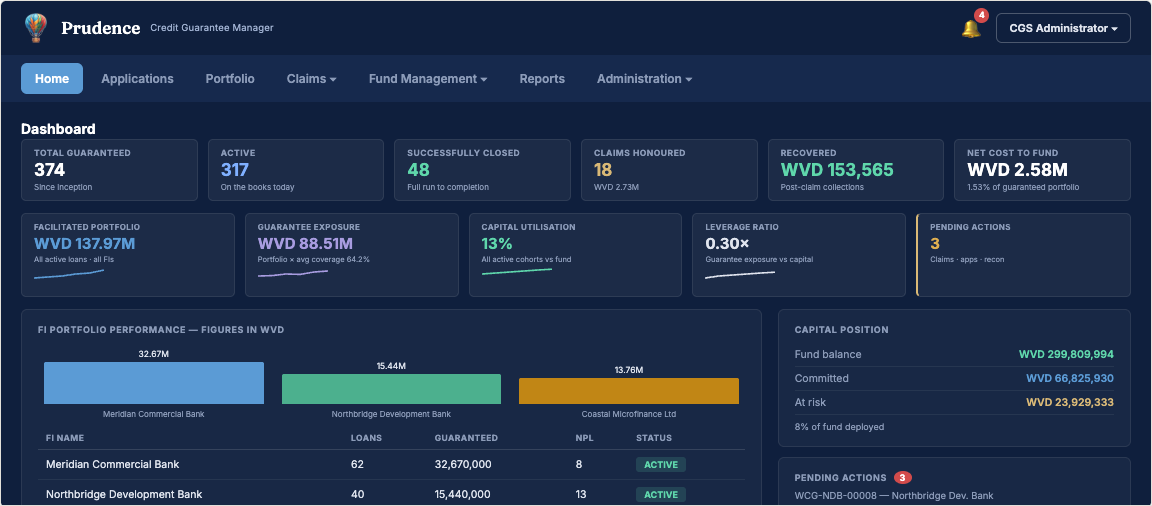
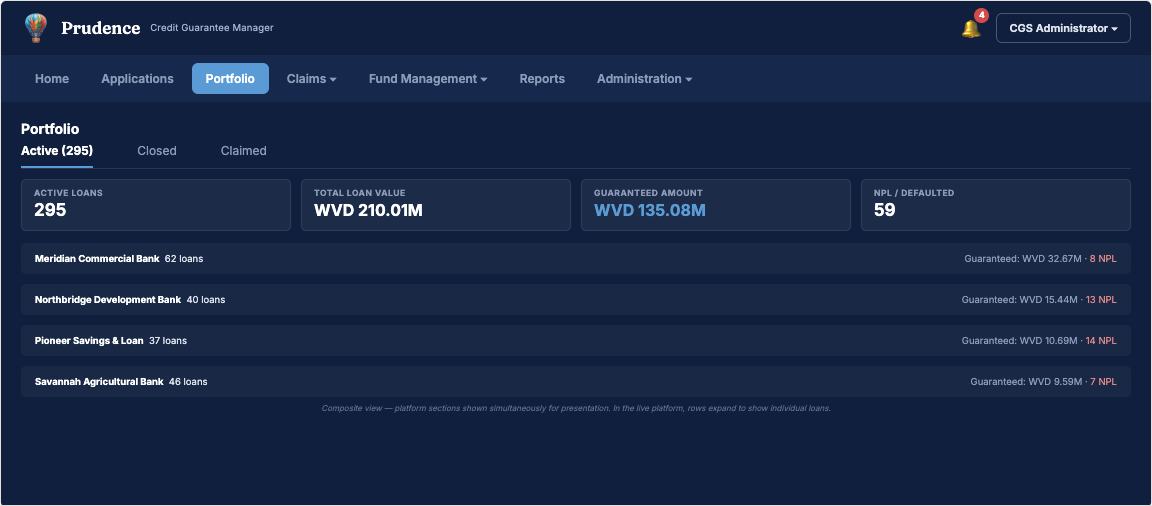
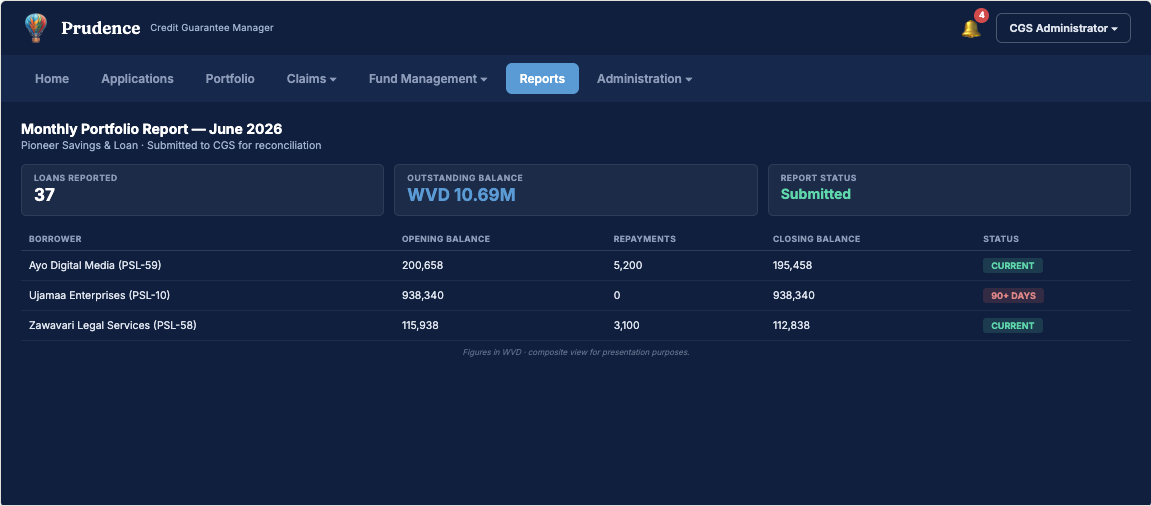


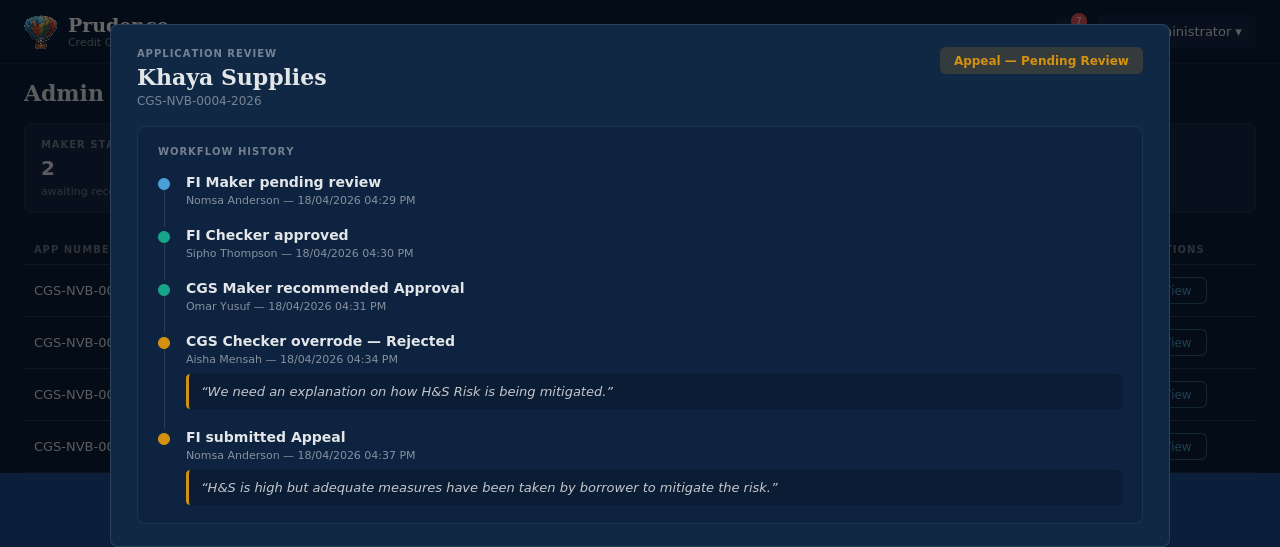
Illustrative renderings of the Prudence interface, composited for presentation. Some content is accessible by scrolling in the live platform.
Practice Across
Four Continents
Consulting engagements across 16 countries. Hover or tap a pin to see assignment details.
Let's Work
Together
Whether you are designing a new credit guarantee scheme, reforming an existing programme, or exploring how Prudence could serve your institution — I would be glad to hear from you.